Why Moving Your Body Matters: The Hidden Risks of a Sedentary Lifestyle

Dr. Tatyana's Health and Wellness Blog
Treating the whole person to restore optimal health. Check back often for up-to-date news and information about acupunture and Chinese medicine.
Most Recent Posts ...

Posted on: 3/30/2026
Posted on: 3/16/2026

Posted on: 2/16/2026
Search All Blog Posts
Blog Post Archive Categories
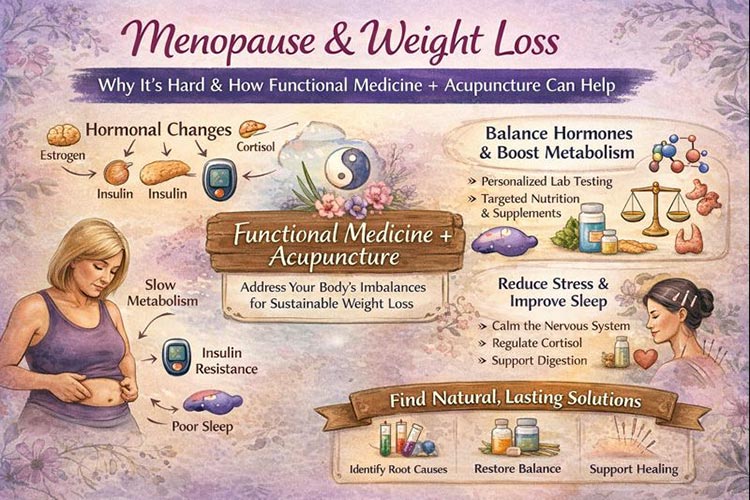
- Menopause and Weight Loss: Why It Feels Hard - and How Functional Medicine + Acupuncture Can Help
- Herbs for Better Digestion: Natural Support for a Healthier Gut
- Why Moving Your Body Matters: The Hidden Risks of a Sedentary Lifestyle
- Stubborn Neck Pain: How Acupuncture Can Help You Find Lasting Relief
- Menopause and Migraine Headaches: How Acupuncture Can Help
- Acupuncture & Herbal Medicine for Digestive Health: Healing the Center of Your Body
- Chronic Fatigue and Chronic Inflammation: A Holistic Look Through Western and Eastern
- The Hidden Dangers of Overusing Supplements: Are You Taking More Than You Should?
- The Importance of Exercise and How to Stay Motivated for a Healthier You
- Muscles Become Weak and Stiff
When we sit for long periods, muscles in the back, hips, and legs become tight and weak. Over time, this can lead to poor posture, low back pain, and even difficulty with daily activities like walking upstairs or lifting objects. - Circulation Slows Down
Movement works like a pump for the blood and lymphatic system. Without regular activity, circulation becomes sluggish, which can contribute to swelling in the legs, varicose veins, and a higher risk of blood clots. - Metabolism Slows & Weight Gain Becomes Easier
A sedentary lifestyle reduces the body’s ability to burn calories efficiently. Insulin sensitivity drops, making it easier to gain weight and increasing the risk of developing prediabetes or diabetes. - Increased Inflammation in the Body
Lack of movement promotes inflammation, which is linked to many chronic conditions such as arthritis, heart disease, and even autoimmune issues. - Mood and Energy Levels Decline
Movement boosts endorphins—our natural “feel good” chemicals. Without activity, stress increases, sleep quality declines, and feelings of anxiety or depression can become more intense. - Reduced Bone Strength
Bones need gentle stress from walking and exercise to stay strong. Without movement, bone density decreases, raising the risk of osteoporosis, especially as we age. - Take 5-Minute Movement Breaks
Stand up, stretch, or walk around every 30–60 minutes. Even small breaks improve blood flow and reduce stiffness. - Add Gentle Exercises
Yoga, tai chi, qigong, or light stretching help release tension, support circulation, and calm the mind. - Walk More Throughout the Day
You don’t need a long workout. Three short 10-minute walks can improve digestion, boost mood, and support your heart. - Use Your Environment
Take the stairs, park farther away, or choose a short walking route during lunch. Small habits build big results. - Incorporate Movement Into Daily Tasks
Do light housework, garden, play with your kids or pets, or take phone calls while standing or walking. - Try Strength Exercises Twice a Week
Body-weight movements like squats, wall push-ups, or resistance bands help maintain muscle tone and support joint health.
Why Moving Your Body Matters: The Hidden Risks of a Sedentary Lifestyle
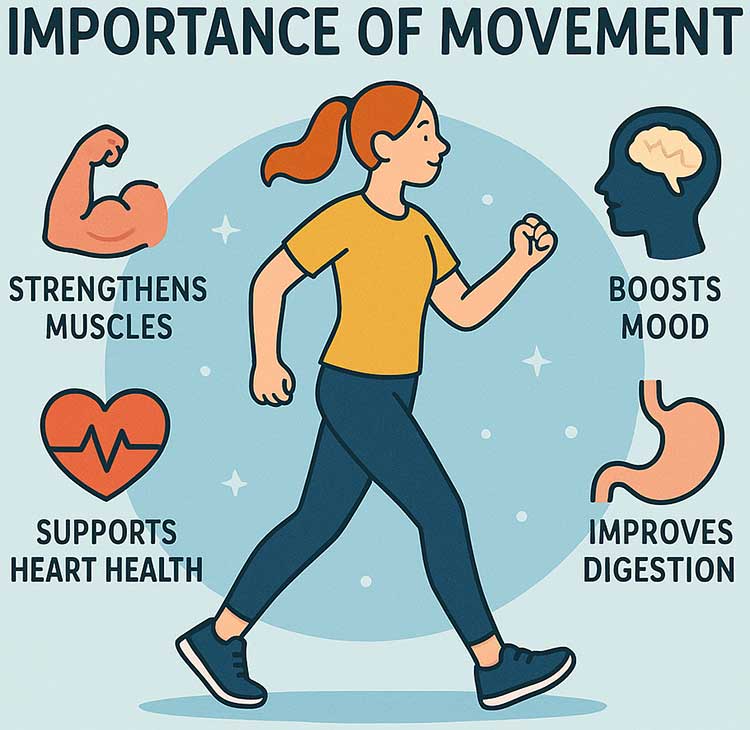
In our modern world, it has become incredibly easy to spend long hours sitting—working on a computer, driving, scrolling through our phones, or relaxing on the couch. While rest is important, too much stillness can slowly impact the body in ways many people don’t realize. Movement is not just about staying in shape; it’s an essential part of keeping every system in the body healthy and functioning well.
Below are practical tips to stay active, along with what actually happens inside the body when we fall into a sedentary lifestyle.
What Happens When You Don’t Move Enough
Simple Ways to Add More Movement Into Your Day
The Bottom Line
Movement is not optional—it’s one of the most powerful forms of medicine. You don’t need intense workouts or long hours at the gym. Even small, consistent steps can transform your health, boost your energy, and prevent the long-term effects of a sedentary lifestyle.
Your body is designed to move. When you honor that design, you support your mood, your metabolism, your circulation, and your overall well-being.
Start today with something simple—your future self will thank you.