Sports Injuries vs. Trauma: What's the Difference and Why Early Treatment Matters

Dr. Tatyana's Health and Wellness Blog
Treating the whole person to restore optimal health. Check back often for up-to-date news and information about acupunture and Chinese medicine.
Most Recent Posts ...
Posted on: 8/3/2026


Search All Blog Posts
Blog Post Archive Categories
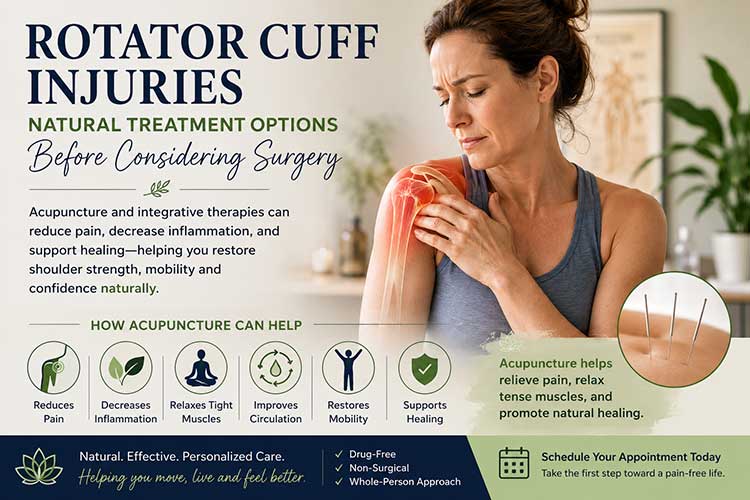
- Rotator Cuff Injuries: Natural Treatment Options Before Considering Surgery
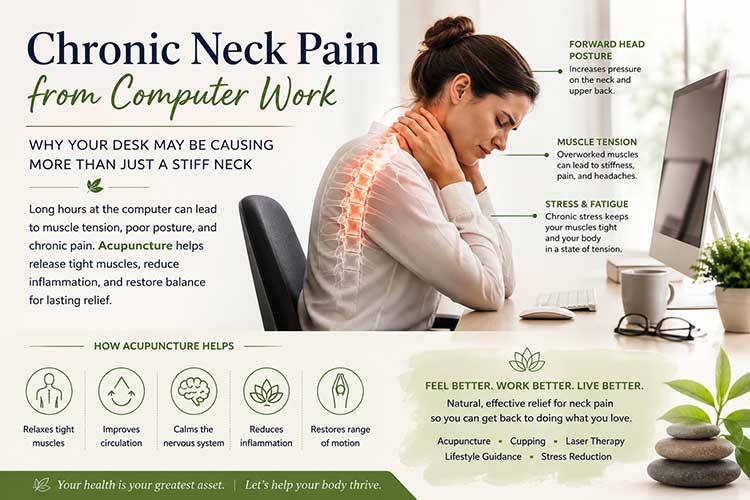
- Neck Pain from Chronic Computer Work: Why Your Desk May Be Causing More Than Just a Stiff Neck
- Sports Injuries vs. Trauma: What's the Difference and Why Early Treatment Matters
- Stubborn Weight Retention After Menopause: Why It's So Common - and How Acupuncture Can Help
- Chronic Stress and Burnout: How Acupuncture Can Help You Restore Balance
- Stubborn Neck Pain: How Acupuncture Can Help You Find Lasting Relief
- Chronic Fatigue and Chronic Inflammation: A Holistic Look Through Western and Eastern
- The Hidden Dangers of Overusing Supplements: Are You Taking More Than You Should?
- The Importance of Exercise and How to Stay Motivated for a Healthier You
- Muscle strains and ligament sprains
- Tendonitis
- Runner’s knee
- Rotator cuff injuries
- Overuse injuries
- Repetitive movements
- Improper technique
- Overtraining
- Lack of recovery time
- Sports injuries often develop gradually or during activity
- Trauma injuries occur suddenly due to an external event
- Sports injuries may involve overuse, while trauma involves impact
- Both can lead to pain, inflammation, and limited mobility
- Chronic pain
- Scar tissue formation
- Reduced mobility
- Compensatory movement patterns (which can cause new injuries)
- Reduces pain and inflammation
- Relaxes tight muscles and spasms
- Improves circulation to injured tissues
- Promotes faster healing
- Helps restore normal movement
- Muscle injuries and spasms
- Nerve-related pain
- Deeper or more severe injuries
- Faster recovery in both acute and chronic cases
- Stronger pain relief
- Improved muscle activation
- Enhanced circulation
- Reduced inflammation
- Immediate pain relief
- Faster tissue repair
- Better long-term recovery
Sports Injuries vs. Trauma: What's the Difference and Why Early Treatment Matters
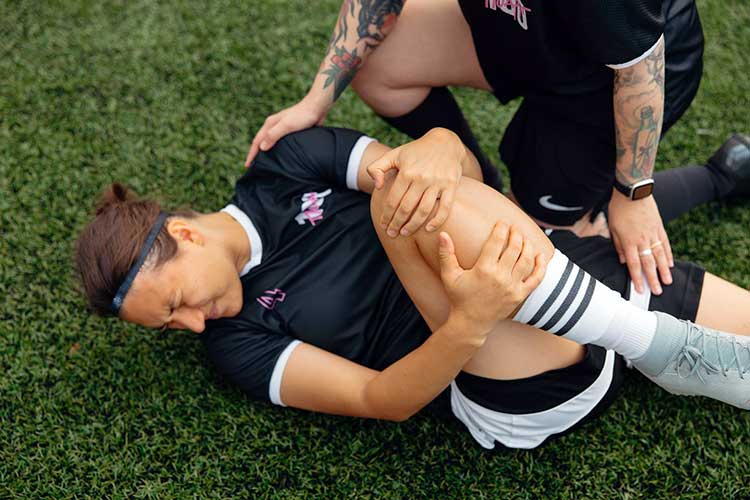
Injuries can happen to anyone—whether you are an athlete, active individual, or simply going about your daily routine. However, not all injuries are the same. Understanding the difference between sports injuries and trauma-related injuries is important, especially when it comes to choosing the right treatment and recovering properly.
One of the most effective approaches for both types of injuries is early intervention with acupuncture and electroacupuncture.
What Are Sports Injuries?
Sports injuries typically develop during physical activity or exercise. They can occur suddenly or build up over time due to repetitive stress.
Common examples:
These injuries are often related to:
What Is Trauma?
Trauma injuries happen suddenly due to an external force or accident.
Examples include:
• Falls
• Car accidents
• Sudden twists or impacts
• Lifting injuries
Trauma can cause:
• Acute pain and inflammation
• Muscle spasms
• Bruising and swelling
• Restricted movement
Unlike sports injuries, trauma is usually unexpected and not related to repetitive activity.
Key Differences Between Sports Injuries and Trauma
Despite these differences, both types of injuries require timely and appropriate care.
Why Early Treatment Is So Important
One of the biggest mistakes people make is waiting too long to treat an injury.
Without proper care, injuries can lead to:
Early treatment helps reduce inflammation, improve healing, and prevent long-term complications.
How Acupuncture Helps Injury Recovery
Acupuncture is highly effective in treating both sports injuries and trauma.
Benefits include:
Acupuncture works with the body’s natural healing processes, making it a safe and effective option.
What Is Electroacupuncture?
Electroacupuncture is an advanced form of acupuncture where a gentle electrical current is applied to the needles.
This enhances the treatment by providing continuous stimulation to the muscles and nerves.
Why Electroacupuncture Is Especially Effective
Electroacupuncture is particularly helpful for:
Benefits include:
It can be especially beneficial in the early stages after injury.
Combining Both for Optimal Results
Using acupuncture together with electroacupuncture allows for:
This combination is widely used in both sports medicine and rehabilitation settings.
Whether your injury is from sports or a sudden trauma, early and appropriate treatment is key.
Acupuncture and electroacupuncture provide a natural, effective way to reduce pain, speed up healing, and prevent long-term complications.
If you are experiencing pain after an injury, don’t wait—early care can make all the difference in your recovery.