How Acupuncture Supports Rehabilitation After Chemotherapy and Radiation

Dr. Tatyana's Health and Wellness Blog
Treating the whole person to restore optimal health. Check back often for up-to-date news and information about acupunture and Chinese medicine.
Most Recent Posts ...
Posted on: 8/3/2026


Posted on: 6/22/2026
Search All Blog Posts
Blog Post Archive Categories
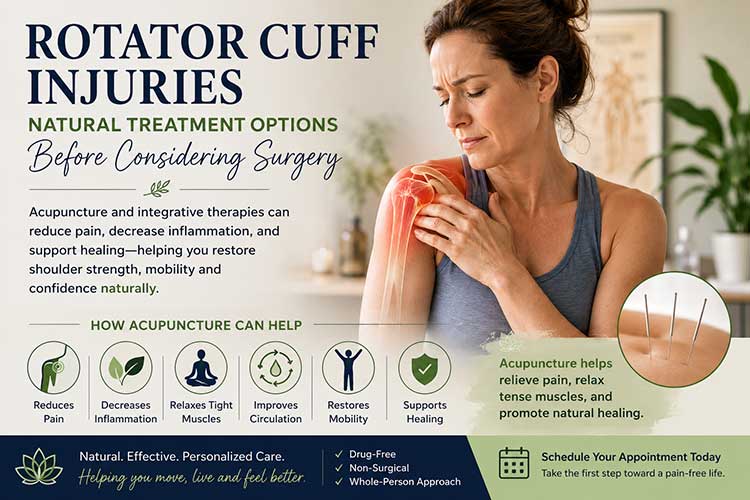
- Rotator Cuff Injuries: Natural Treatment Options Before Considering Surgery
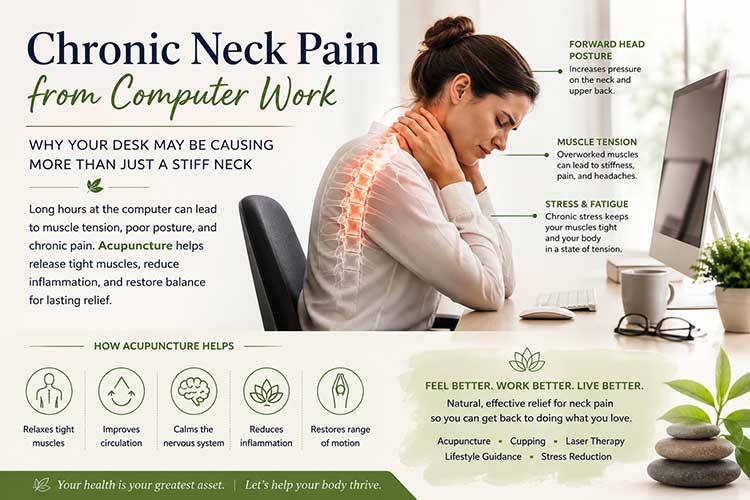
- Neck Pain from Chronic Computer Work: Why Your Desk May Be Causing More Than Just a Stiff Neck
- Sports Injuries vs. Trauma: What's the Difference and Why Early Treatment Matters
- Stubborn Weight Retention After Menopause: Why It's So Common - and How Acupuncture Can Help
- Chronic Stress and Burnout: How Acupuncture Can Help You Restore Balance
- Stubborn Neck Pain: How Acupuncture Can Help You Find Lasting Relief
- Chronic Fatigue and Chronic Inflammation: A Holistic Look Through Western and Eastern
- The Hidden Dangers of Overusing Supplements: Are You Taking More Than You Should?
- The Importance of Exercise and How to Stay Motivated for a Healthier You
- Nervous system irritation or damage → leading to neuropathy and numbness
- Inflammation and tissue damage → contributing to chronic pain
- Digestive disruption → causing nausea and loss of appetite
- Energy depletion at the cellular level → resulting in severe fatigue
- Reduce pain
- Improve mood
- Supporting better sleep
- Decrease perception of discomfort
- Reduce chemotherapy-induced nausea and vomiting
- Improve cancer-related pain
- Support recovery from neuropathy
- Decrease cancer-related fatigue
- Improve sleep quality and emotional well-being
- Frequency: 2 times per week initially
- Focus: addressing the most limiting symptoms (for example: neuropathy, severe fatigue, or nausea)
- Gradual progression: as symptoms improve, treatments are spaced out
- Avoiding areas affected by radiation damage
- Modifying treatment if the immune system is compromised
- Using gentle techniques for weakened patients
- Physical healing (pain, neuropathy, nausea)
- Energy recovery (severe fatigue)
- Nutritional balance (loss of appetite)
- Emotional resilience
How Acupuncture Supports Rehabilitation After Chemotherapy and Radiation

Cancer treatment can be life-saving—but for many patients, the recovery phase brings its own set of challenges. After chemotherapy and radiation therapy, it is very common to experience ongoing symptoms such as pain, neuropathy, nausea, numbness, severe fatigue, and loss of appetite.
These symptoms can last for months or even years, affecting daily life, emotional health, and overall recovery. Acupuncture offers a gentle, natural way to support the body during this important rehabilitation phase.
Why Symptoms Persist After Treatment
Chemotherapy and radiation are powerful therapies designed to destroy cancer cells—but they can also affect healthy tissues.
From a Traditional Chinese Medicine (TCM) perspective, these symptoms reflect a combination of Qi and Blood deficiency, along with residual toxicity and blockage in the channels.
How Acupuncture Works in Cancer Rehabilitation
Acupuncture is not just symptom relief—it supports the body’s ability to heal and regulate itself.
Nervous System Regulation
Acupuncture stimulates the peripheral nerves and helps regulate the central nervous system. This is especially important for patients experiencing neuropathy and numbness, as it may improve nerve communication and reduce abnormal sensations like tingling or burning.
Improved Circulation and Healing
By increasing microcirculation, acupuncture helps deliver oxygen and nutrients to damaged tissues. This can reduce inflammation and improve recovery from pain and tissue injury.
Hormonal and Neurochemical Effects
Acupuncture promotes the release of endorphins and serotonin, which helps:
Digestive System Support
Specific acupuncture points regulate the stomach and spleen function, helping to reduce nausea and restore loss of appetite. This is essential because proper nutrition is critical for healing after cancer treatment.
Energy Restoration (Qi Support)
In TCM, severe fatigue is often linked to Qi deficiency. Acupuncture strengthens the body’s energy reserves, helping patients feel more stable, clear, and physically capable.
Evidence-Based Benefits of Acupuncture for Cancer Patients
Modern research supports many of these traditional concepts. Studies have shown acupuncture may help:
Many integrative oncology centers now include acupuncture as part of supportive care.
What a Treatment Plan May Look Like
Treatment is always individualized, but a typical approach may include:
Points may include both local areas (for pain or numbness) and distal points to support systemic recovery.
Safety Considerations
Acupuncture is generally very safe when performed by a licensed practitioner. However, special care is taken with cancer patients:
Always inform your acupuncturist about your full medical history and current treatment status.
Whole-Person Healing
Recovery after cancer is not just about eliminating symptoms—it is about restoring quality of life.
Acupuncture support:
It creates space for the body to rebuild strength in a natural and sustainable way.
With extensive clinical experience in supporting patients through recovery, Dr. Tatyana has worked with many individuals undergoing rehabilitation after chemotherapy and radiation therapy. Her approach is gentle, personalized, and focused on restoring balance in the body. Over the years, she has seen excellent outcomes in helping patients reduce pain, neuropathy, nausea, numbness, severe fatigue, and loss of appetite, allowing them to regain strength and improve their quality of life during the healing process.
The end of chemotherapy or radiation is not the end of healing—it is the beginning of rebuilding.
If you are experiencing pain, neuropathy, nausea, numbness, severe fatigue, or loss of appetite, acupuncture can be a valuable part of your recovery plan. It works gently with your body to restore balance, improve function, and help you feel like yourself again.